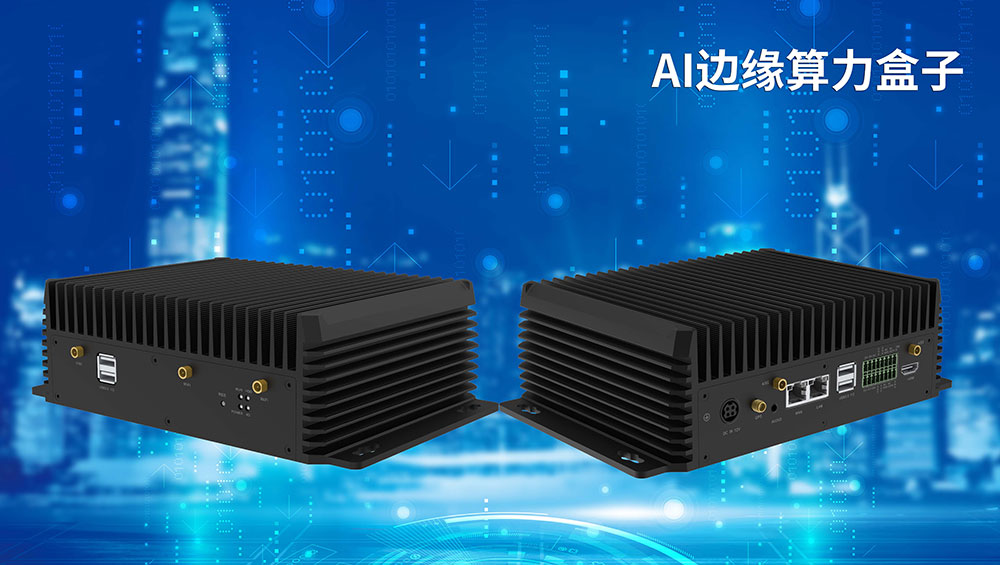
The AI Edge Computing power Box is an intelligent device based on edge computing and artificial intelligence technologies. It is equipped with a flexible and diverse AI algorithm library, and is thus also known as the AI edge computing power box or intelligent edge analysis all-in-one machine. It can push the data processing and analysis capabilities to the edge position closest to the data source, providing efficient data processing and real-time response. The following is an introduction to the AI edge computing power box:
I. What is an AI Edge Computing Power Box?
The AI edge computing power box is an intelligent device that highly integrates high-precision AI intelligent algorithms based on computer vision and deep learning networks, as well as a video intelligent comprehensive management platform. It aims to perform real-time data analysis and processing tasks near data collection points (typically Internet of Things devices, sensors or other edge devices). The design purpose of this edge computing power box is to push data analysis and processing to the edge of the data source to reduce the latency of data transmission and processing, thereby providing faster and more responsive decision support.
Ii. Working Principle
The working principle of the AI edge computing power box can be summarized into the following steps.
First, carry out data collection and transmission. The AI edge computing power box collects data generated by smart devices through various sensors, cameras and other equipment, and transmits it to the box for processing.
Secondly, carry out edge computing and analysis. The AI edge computing power box is equipped with powerful computing and storage capabilities, enabling local data processing, analysis, and decision-making on the device without relying on cloud computing resources.
Third, result output and feedback. The AI edge computing power box generates corresponding output data and feedback signals based on the results of computing and analysis, which are used to control intelligent devices, provide user interfaces, etc.
In addition, the AI edge computing power box can also work in collaboration with the cloud, transmitting tasks or data that require cloud computing resources to the cloud for further processing and analysis.
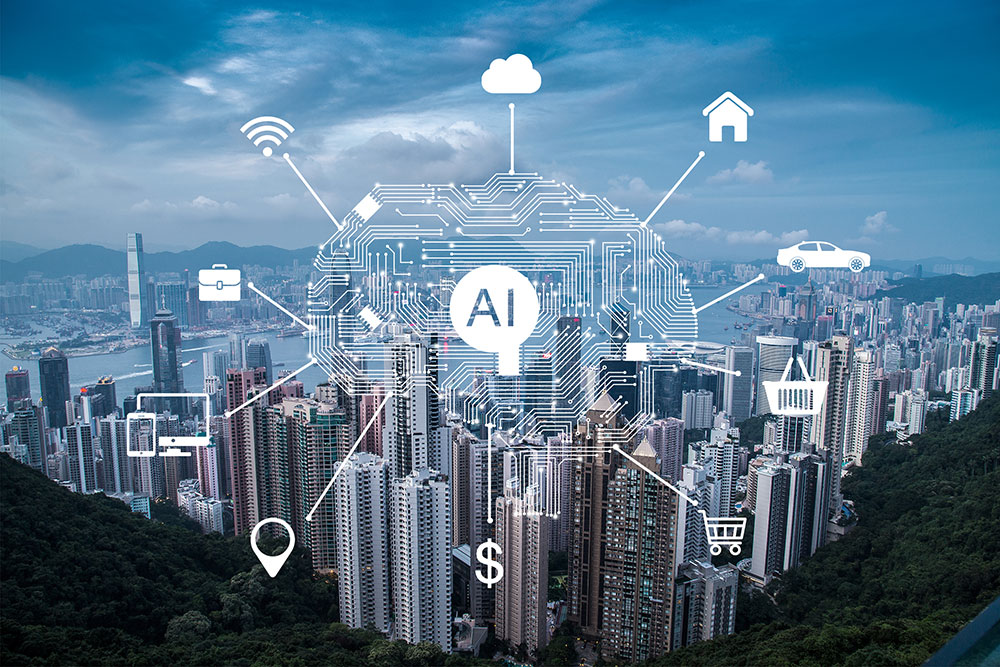
Iii. Functional Features
The AI edge computing power box features a variety of functions and characteristics. One of them is near-field computing and real-time response. Since data processing takes place at the edge, near-field computing and real-time response can be achieved, reducing data transmission delay and enhancing the stability and response speed of the system. Secondly, it features powerful computing and storage capabilities. Due to the adoption of high-performance processors in edge computing boxes, they possess strong computing power and can easily handle complex tasks including image recognition and data analysis. Moreover, the edge computing box has high security. It adopts multiple security mechanisms such as security authentication, data encryption, and permission control, which can protect the privacy and security of user data and prevent unauthorized access and attacks. In addition, the AI edge computing power box also features excellent flexibility, scalability and ease of deployment. Users can select different functional modules and interfaces based on their own business needs to achieve personalized customized development.
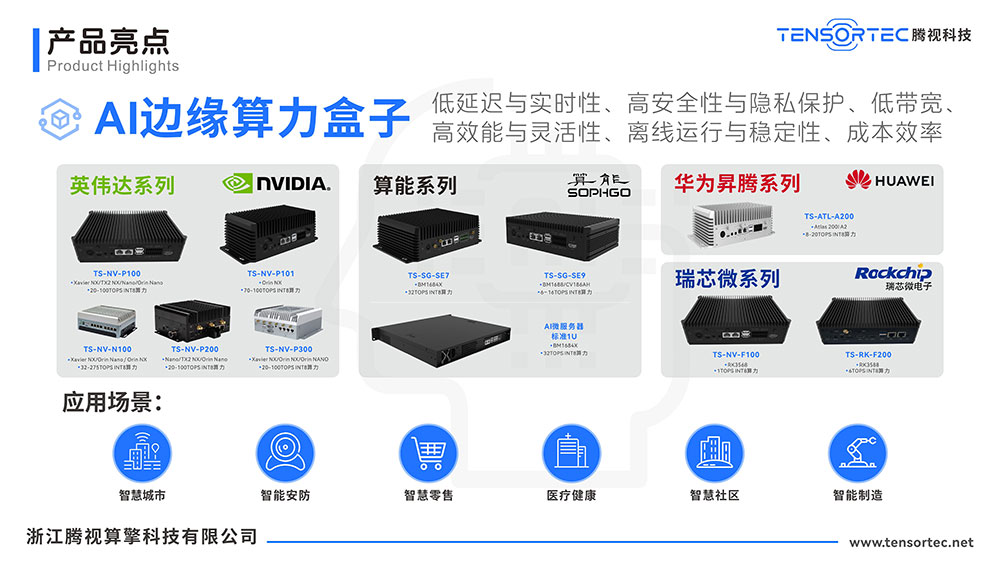
Iv. Practical Application
In practical applications, AI edge computing power boxes are widely used in various industries. By adapting to multiple high-precision AI algorithms, cost-effective edge computing solutions can be tailored for industry scenarios such as smart construction sites, smart parks, smart communities, smart hospitals, intelligent transportation, and smart cities. For example:
Industrial manufacturing: Real-time processing of equipment data, monitoring of production line abnormalities, prediction of mechanical failures, and ensuring smooth production.
Smart retail: Local analysis of customer flow data, identification of products, and rapid response to settlement or inventory warning needs.
Intelligent security: Real-time analysis of surveillance images at the edge, recognition of human figures and abnormal behaviors, and immediate triggering of alarms.
Smart home: Linking home appliances, locally processing voice commands and environmental data, enhancing response speed and privacy.
Autonomous driving (low-speed scenarios) : The on-board edge box processes sensor data in real time to assist in short-distance obstacle avoidance and route planning.
Medical equipment: Local analysis of monitoring data, rapid feedback of abnormal indicators, ensuring the timeliness of diagnosis and treatment.
Agricultural Internet of Things: Edge nodes in the field process temperature, humidity and crop growth data, and link irrigation and fertilization equipment.
TENSORTEC AI Edge Computing power box has currently been adapted to a variety of AI intelligent algorithms and AI data platforms covering scenarios such as parks, communities, construction sites, and campuses. Including flame detection, smoke detection, smoking detection, phone call detection, mask-wearing detection, personnel playing with mobile phones detection, personnel leaving or sleeping on duty detection, personnel falling detection, personnel static electricity elimination, area population statistics, area intrusion detection, work uniform detection, work cap detection, safety helmet and reflective vest detection, electric bike detection, standardized parking (illegal parking of vehicles), entrance and exit passenger flow statistics. Algorithms such as perimeter crossing intrusion, abnormal displacement, and secure net hanging can be combined as needed and configured according to scenarios.