Artificial intelligence will be integrated into six key areas: science and technology, industrial development, consumption quality improvement, people's livelihood and well-being, governance capacity, and global cooperation.
On August 26th, the "Opinions on Deeply Implementing the 'Artificial Intelligence Plus' Action" (hereinafter referred to as the "Opinions") was officially released. The "Opinions" focus on the aforementioned six key areas, conduct in-depth analysis of the impact of artificial intelligence on the paradigm transformation of various industries and fields, and proactively plan the key points of the "Artificial Intelligence Plus" work. Among them, the "Opinions" for the first time laid out new intelligent native technologies, new business forms and new models, and also proposed for the first time the intelligent transformation and development path of all elements in the primary, secondary and tertiary industries.
At the same time, the "Opinions" put forward three phased goals for 2027, 2030 and 2035. By 2027, artificial intelligence will be first widely and deeply integrated with six key areas. The application penetration rate of new-generation intelligent terminals and intelligent agents will exceed 70%. The scale of core industries in the intelligent economy will grow rapidly. The role of artificial intelligence in public governance will be significantly enhanced, and the open cooperation system for artificial intelligence will be continuously improved. By 2030, artificial intelligence will fully empower high-quality development in China. The application penetration rate of new-generation intelligent terminals and intelligent agents will exceed 90%. The intelligent economy will become an important growth pole for China's economic development, promoting technological inclusiveness and sharing of achievements. By 2035, China will have fully entered a new stage of intelligent economic and intelligent social development, providing strong support for basically achieving socialist modernization.
Liu Zhi, director of the Artificial Intelligence Division of the Big Data Development Department of the National Information Center, told the 21st Century Business Herald that the goals of the above three stages are based on reality and progress layer by layer. Essentially, they have established a transformation mechanism from "pressure" to "ability" and then to "strength".
Sun Ke, deputy director of the Policy and Economic Research Institute of the China Academy of Information and Communications Technology, told the 21st Century Business Herald that the document system has laid out the key actions of "Artificial Intelligence +" in six major fields, and is gradually promoting the large-scale commercial application of artificial intelligence, indicating that the development of China's artificial intelligence technology industry has entered a "critical period of practical implementation". Furthermore, the formulation and proposal of the three-stage goals are scientific decisions made on the basis of a thorough understanding of the evolution of artificial intelligence technology and the judgment of the application stages.
Deploy "Artificial Intelligence Plus" actions in six key areas
After initial market testing, artificial intelligence has the ability to solve complex problems in some real-world scenarios. Its role in reducing costs and increasing efficiency in industries and enhancing total factor productivity has become increasingly prominent. The application demand from all sectors of society has never been stronger, and it is now in a critical window period for application implementation. A responsible official from the National Development and Reform Commission said in response to questions from reporters regarding the "Opinions".
Driven by the demands of industry applications and taking into account both domestic and international needs, the "Opinions" propose to carry out six major actions under the "Artificial Intelligence Plus" initiative, including "Artificial Intelligence Plus" in science and technology, "Artificial Intelligence Plus" in industrial development, "Artificial Intelligence Plus" in consumption quality improvement, "Artificial Intelligence Plus" in people's livelihood and well-being, "Artificial Intelligence Plus" in governance capacity, and "Artificial Intelligence Plus" in global cooperation.
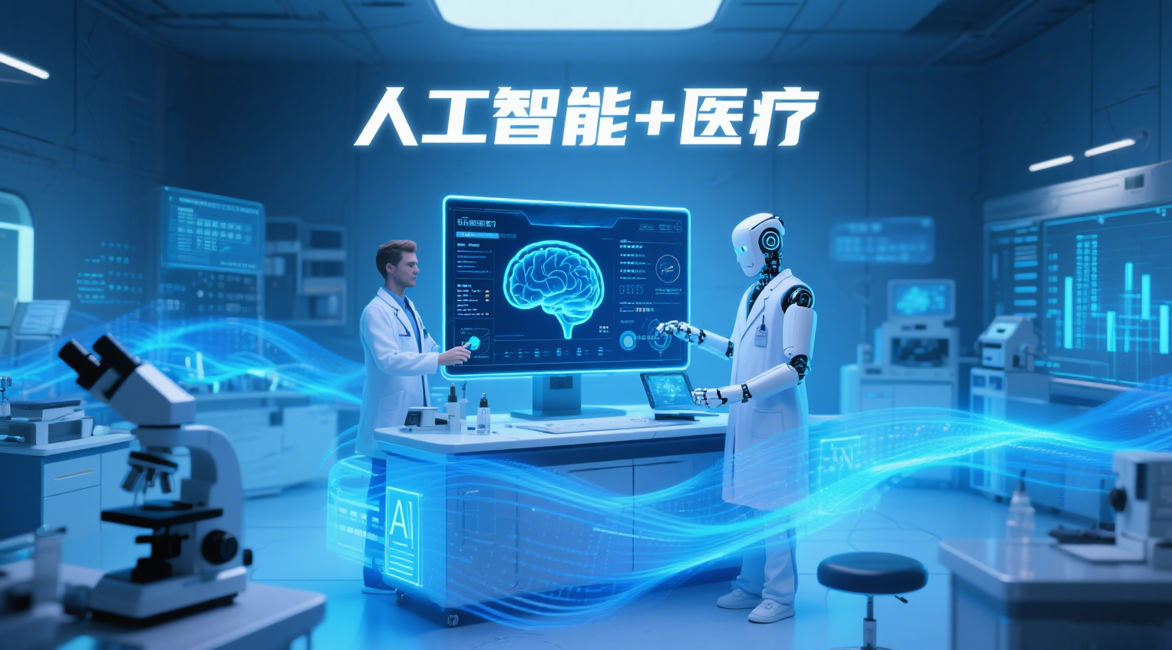
Among them, in terms of "artificial intelligence +" science and technology, the "Opinions" propose to accelerate the process of scientific discovery. Accelerate the exploration of new scientific research paradigms driven by artificial intelligence and speed up the process of major scientific discoveries from "0 to 1". In terms of "Artificial Intelligence +" for people's livelihood and well-being, the "Opinions" propose to create more intelligent working methods. Actively leverage the role of artificial intelligence in creating new jobs and empowering traditional ones, explore new organizational structures and management models of human-machine collaboration, cultivate and develop innovative working forms such as intelligent agents, and promote their application in positions with labor shortages and high-risk environments.
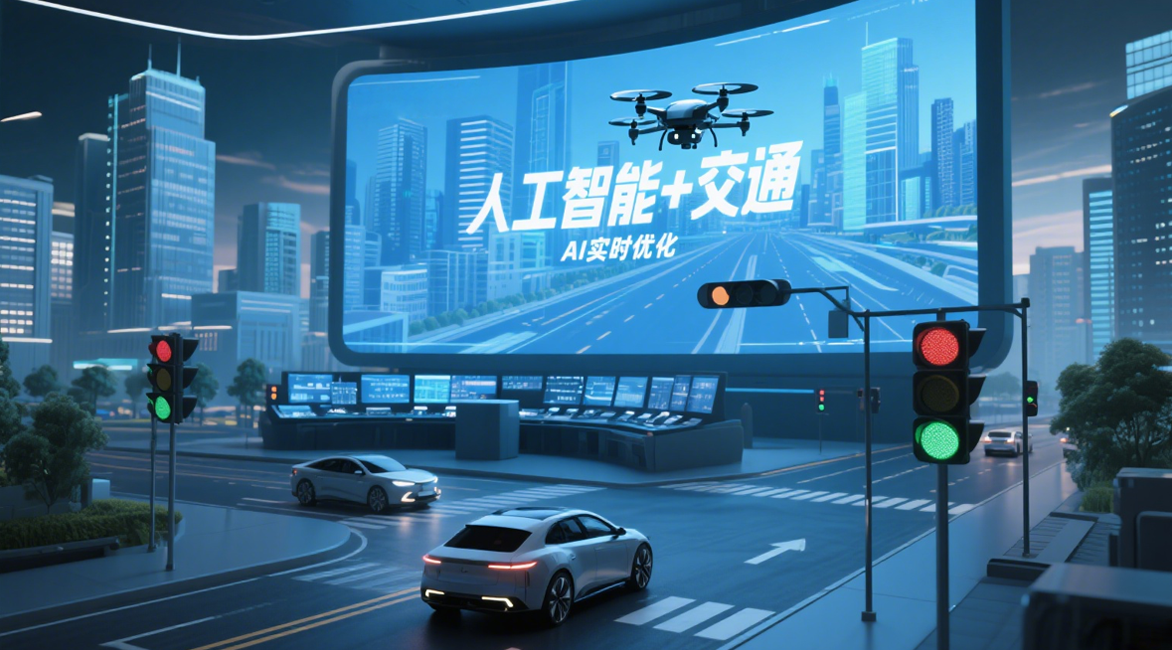
In terms of "artificial intelligence +" governance capabilities, the "Opinions" propose to create a new picture of human-machine symbiosis in social governance. Orderly promote the intelligent transformation and upgrading of municipal infrastructure, explore urban planning, construction and governance oriented towards the development of new-generation intelligent terminals, and enhance the intelligent level of urban operation. In terms of global cooperation on "Artificial Intelligence Plus", the "Opinions" propose to promote the inclusive sharing of artificial intelligence. Take artificial intelligence as an international public good that benefits humanity, and build an open ecosystem for the capacity building of artificial intelligence that is equal, trustworthy, diverse and win-win.
Liu Zhi stated that the six major actions for the in-depth implementation of "Artificial Intelligence Plus" are carried out around different participants such as scientific researchers, industry enterprises, consumers, the general public, government departments, and countries around the world. The core of all these actions is the word "new". From the perspective of scientific researchers, leveraging artificial intelligence to explore new research paradigms and accelerate the discovery of achievements. From the perspective of industry enterprises, leveraging artificial intelligence to cultivate new industrial forms, transform new development models, and create more value. From the perspective of consumers, leveraging artificial intelligence to expand new consumption scenarios and enjoy higher-quality products and services. From the perspective of the people, using artificial intelligence to experience new ways of working, new learning methods and new living conditions can better serve people. From the perspective of government departments, leveraging artificial intelligence to open up a new governance pattern and accelerate the realization of co-construction, co-governance and shared benefits. From the perspective of countries around the world, leveraging artificial intelligence to open up new Spaces for cooperation and promote common prosperity.
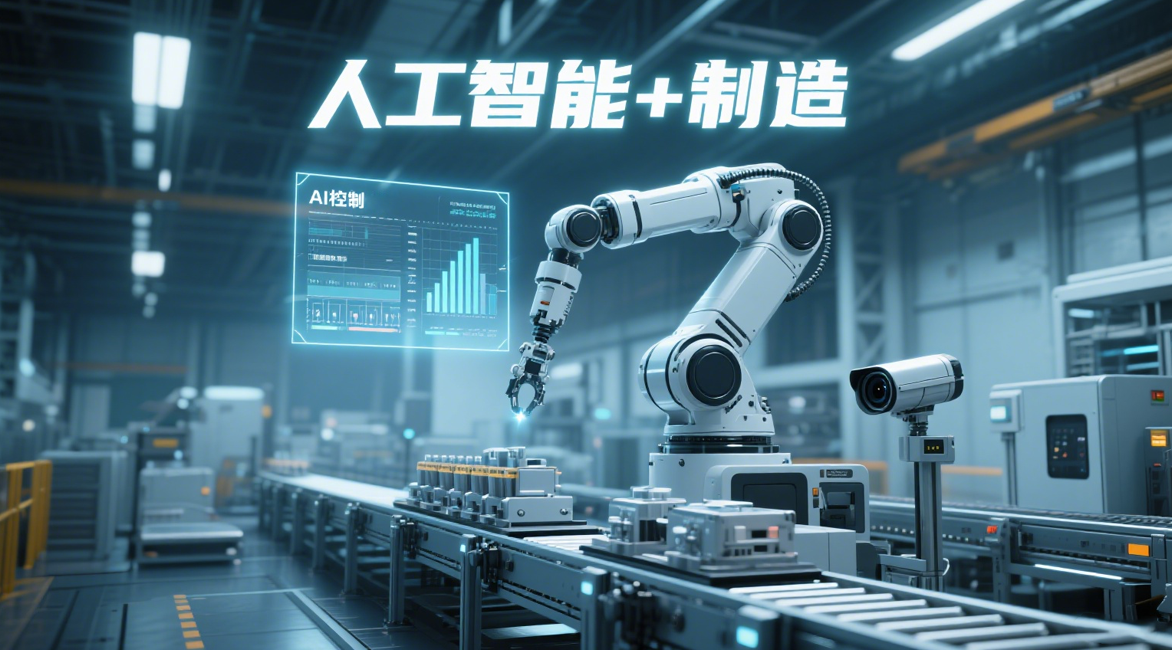
"Artificial Intelligence Plus" is a historical opportunity for China to participate in the global productivity reconstruction for the first time as a leader in technological innovation and application practice. We promote a virtuous cycle of artificial intelligence development model that drives application through innovation and promotes innovation through application, providing more possibilities for the modernization transformation of super-large-scale economies." Xu Qiang, director of the National Information Center, said that all major historic reforms have been of a mass nature. The "Artificial Intelligence Plus" initiative needs to reconstruct the paradigms of scientific discovery, residents' lives, enterprise production, social governance, and open cooperation, and to break through the collaborative closed loop of scientific and technological innovation, industrial development, consumption quality improvement, people's livelihood improvement, governance capacity and global cooperation. The essence is to encourage every social entity to jointly participate in this social transformation.
Sun Ke stated that the document system has laid out key actions of "Artificial Intelligence +" in six major fields including science and technology, industry, consumption, people's livelihood, governance, and global cooperation, and is gradually promoting the large-scale commercial application of artificial intelligence. This indicates that the development of China's artificial intelligence technology industry has entered a "critical period of effective implementation", forging a core engine of new quality productivity through large-scale application. Activate the leading role of enterprises in innovation through market mechanisms, build a positive cycle of "data-driven - demand-driven - business closed loop - technology iteration", and break through the bottleneck of innovation achievement transformation. This move highlights the profound evolution of the economic governance logic, that is, to empower the upgrading of traditional driving forces with artificial intelligence, while anchoring the overall path of industrial upgrading, including the innovation of computing power chips, the accelerated digital and intelligent transformation of industries, and relying on the advantages of the super-large-scale market to feed back technology, forming a new model of competition and cooperation. The deployment also embodies the forward-looking thinking of risk governance. Future breakthroughs will focus on breaking down data silos, lowering the application threshold for small and medium-sized enterprises, innovating regulatory sandboxes and computing power trading mechanisms, and ultimately building a strategic closed loop of technology - industry - economy, injecting lasting impetus into high-quality development.
Promote the intelligent transformation of all elements in the primary, secondary and tertiary industries
It is worth noting that the "Opinions" have for the first time laid out new intelligent native technologies, new business forms and new models, and also put forward for the first time the intelligent transformation and development path of all elements in the primary, secondary and tertiary industries.
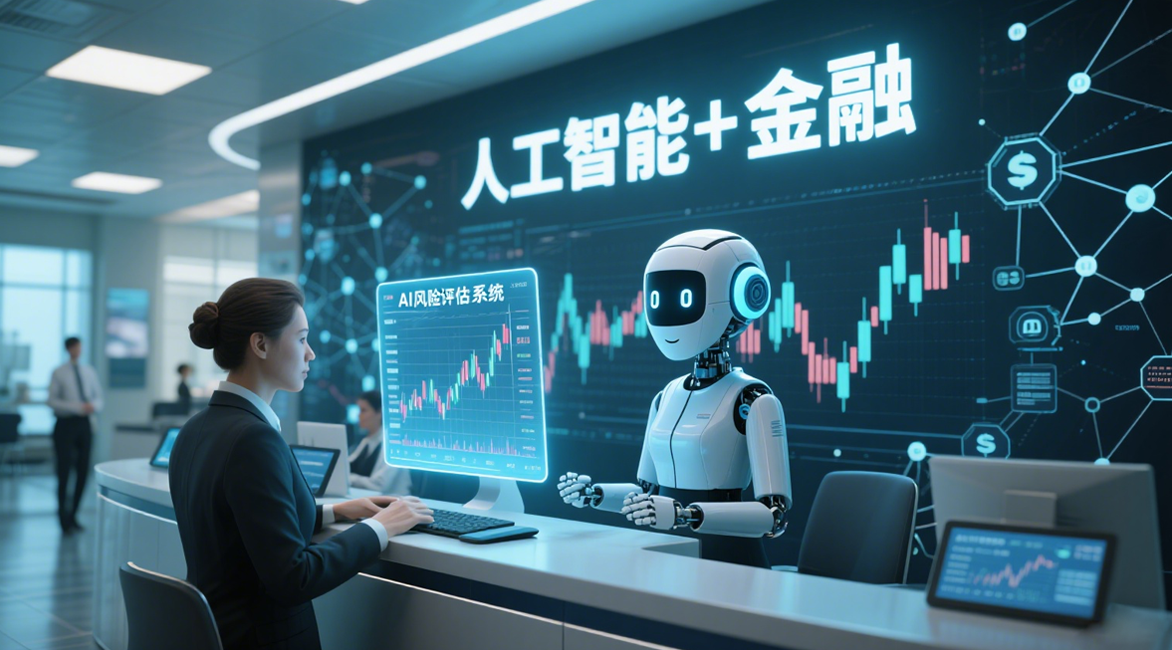
In terms of the development of the "Artificial Intelligence +" industry, the "Opinions" propose to cultivate new models and new forms of business that are native to intelligence. Encourage enterprises with the necessary conditions to integrate artificial intelligence into their strategic planning, organizational structure, business processes, etc., to promote the intelligent development of all industrial elements, assist in the transformation and upgrading of traditional industries, and open up new tracks for the development of strategic emerging industries and future industries. Vigorously develop intelligent native technologies, products and service systems, accelerate the cultivation of a batch of intelligent native enterprises with underlying architectures and operational logics based on artificial intelligence, explore new business models, and give birth to new intelligent native business forms.
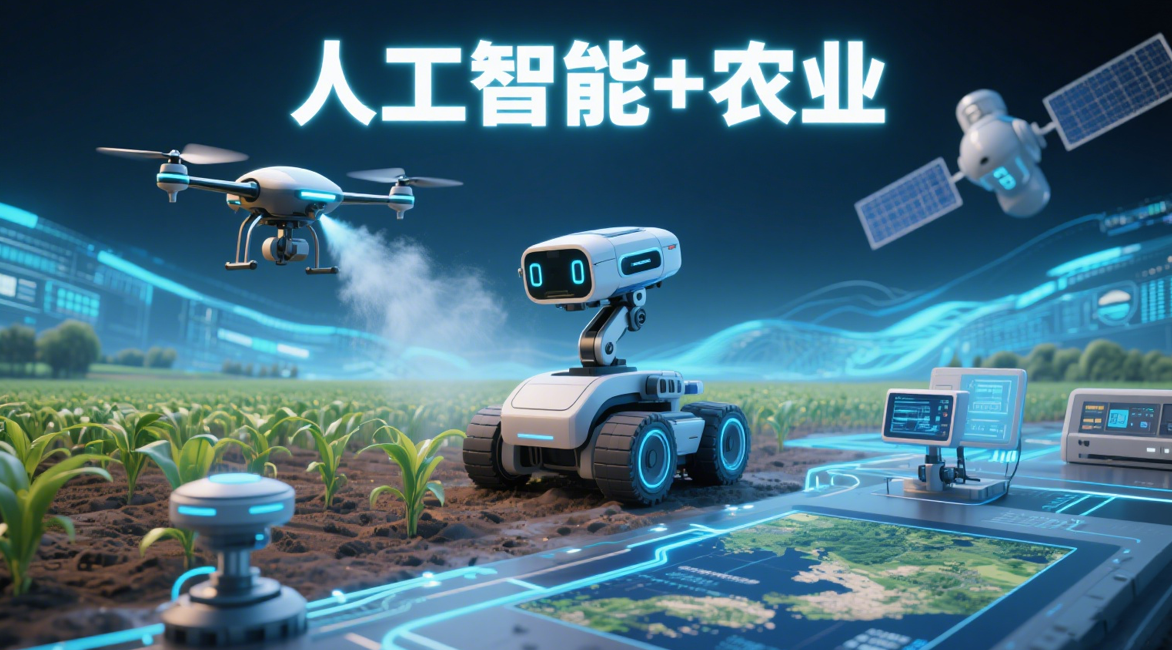
At the same time, promote the intelligent development of all elements in industry. Promote the intelligent interaction of all elements in industry and accelerate the application of artificial intelligence in all links including design, pilot production, manufacturing, service and operation. Accelerate the digital and intelligent transformation and upgrading of agriculture. Accelerate the innovation of the breeding system driven by artificial intelligence and support intelligent applications in agricultural fields such as planting and breeding. Innovate new models for the development of the service industry. Accelerate the evolution of the service industry from digital-enabled Internet services to intelligence-driven new service models, expand business scope, and promote the intelligent and innovative development of modern services.
Artificial intelligence is accelerating the transformation of the three major industries of the national economy towards intelligence. Zheng Nanning, an academician of the Chinese Academy of Engineering and a professor at Xi 'an Jiaotong University, stated that "AI+" is becoming an important engine for industrial transformation and upgrading. It not only promotes the quality improvement and efficiency enhancement of traditional industries, nurtures and expands strategic emerging industries, but also injects strong impetus into new quality productive forces, profoundly reshaping China's economic development pattern. At present, the application of artificial intelligence in China's industry is mainly concentrated in the secondary and tertiary industries, with the tertiary industry having the highest proportion, prominently reflected in the information technology service industry. The secondary industry is dominated by manufacturing, focusing on industrial Internet and intelligent manufacturing. However, the application in the primary industry is still relatively insufficient. The issuance of this national action opinion provides direction and institutional guarantee for artificial intelligence to empower industrial upgrading, marking that the related work has entered a new stage of systematic promotion.
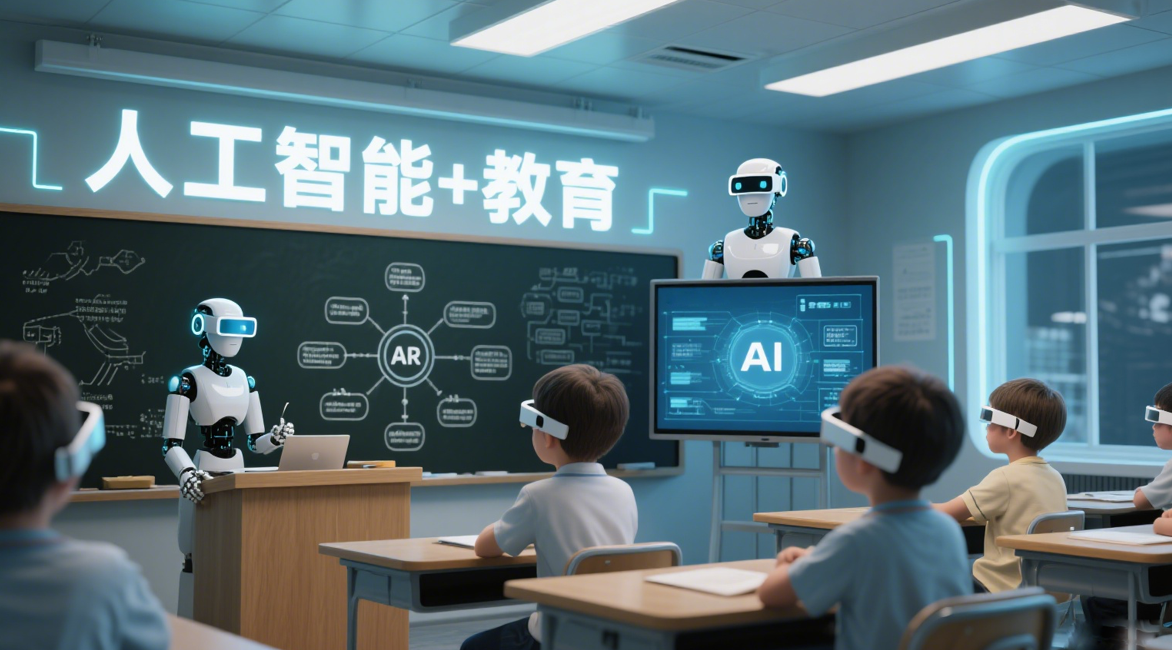
In addition, in terms of improving the quality of "artificial intelligence +" consumption, the "Opinions" propose to expand new scenarios for service consumption. Strengthen the construction of intelligent consumption infrastructure, improve the quality of life services such as culture and entertainment, e-commerce, home services, property management, transportation, elderly care and child care, and expand new service consumption scenarios such as experiential consumption, personalized consumption, cognitive and emotional consumption. Cultivate new forms of product consumption. Promote the "intelligent interconnection of all things" of smart terminals, cultivate an intelligent product ecosystem, vigorously develop new-generation smart terminals such as intelligent connected vehicles, artificial intelligence mobile phones and computers, intelligent robots, smart homes, and smart wearables, and create an integrated and all-scenario coverage intelligent interaction environment.
Zheng Nanning believes that in the face of the growing potential for intelligence in the consumer sector, the state actively guides "AI+ consumption" innovation. On the one hand, it urges enterprises to accelerate technological research and development and enrich the supply of high-quality intelligent products; On the other hand, efforts should be made to accelerate the improvement of new infrastructure such as 5G and the Internet of Things, promote the popularization of new applications like smart home appliances and smart travel, and drive the coordinated upgrading of both supply and demand sides. The overall policy focuses on building a collaborative innovation industrial ecosystem and trustworthy and usable consumption scenarios, leading digital consumption towards a new stage of intelligence, high-end and inclusiveness.
In addition, the "Opinions" mention strengthening the basic support capacity, including enhancing the basic capabilities of models, strengthening the innovation of data supply, strengthening the overall planning of intelligent computing power, optimizing the application development environment, promoting the prosperity of the open-source ecosystem, strengthening the construction of the talent team, strengthening policy and legal guarantees, and improving the level of security capabilities, etc.
In response to this, a responsible official from the National Development and Reform Commission mentioned in response to a journalist's question that, in light of changes in both internal and external situations, a systematic basic support system for artificial intelligence should be constructed around eight aspects: models, data, computing power, applications, open source, talents, policies and regulations, and security.
What are the differences from "Internet Plus" ten years ago
In 2024, "Artificial Intelligence Plus" was written into the government work report for the first time. It was mentioned that efforts should be made to deepen the research and application of big data, artificial intelligence and other technologies, carry out the "Artificial Intelligence Plus" initiative, and build a digital industry cluster with international competitiveness. This year's government work report proposed to continuously promote the "Artificial Intelligence Plus" initiative.
Now, the "Opinions" have been officially released, which sets out three-stage goals. By 2027, the extensive and deep integration of artificial intelligence with six key areas will be achieved first. The application penetration rate of new-generation intelligent terminals and intelligent entities will exceed 70%, the scale of the core industries of the intelligent economy will grow rapidly, and the role of artificial intelligence in public governance will be significantly enhanced. The open cooperation system for artificial intelligence has been continuously improved. By 2030, artificial intelligence will fully empower high-quality development in China. The application penetration rate of new-generation intelligent terminals and intelligent agents will exceed 90%. The intelligent economy will become an important growth pole for China's economic development, promoting technological inclusiveness and sharing of achievements. By 2035, China will have fully entered a new stage of intelligent economic and intelligent social development, providing strong support for basically achieving socialist modernization.
Sun Ke stated that the formulation and proposal of the three-stage goals were scientific decisions made on the basis of a thorough understanding of the evolution of artificial intelligence technology and the judgment of the application stages. From the perspective of technological trends, breakthroughs and innovations are constantly emerging in fields such as language large models, multimodal models, agents, and embodied intelligence. Artificial intelligence is gradually undergoing a paradigm shift from single-task intelligence to scalable and multi-task intelligence. From the perspective of application trends, the path of artificial intelligence empowering industries conforms to the objective laws of digital technology application, that is, it follows the promotion feature of "breaking through first in fields with better digitalization levels and then gradually spreading to more industries", and has achieved good results in digital native and fields with better digital foundations. Next, artificial intelligence will be deeply applied in all fields of the economy and society, combined with more complex physical scenarios and core production processes, to drive greater transformative breakthroughs in productivity. To this end, in light of the technological evolution and integrated application trends of artificial intelligence, the "Opinions" have put forward three phased goals: "Breakthroughs in key areas - formation of new growth poles - entering the intelligent economy and intelligent society".
In Liu Zhi's view, the goals of the above three stages are based on reality and progress step by step. Essentially, they have established a transformation mechanism from "pressure" to "ability" and then to "strength". The document sets three phased goals. 2027 is two years after the release of the "Opinions". At this time, the goals aim at short-term breakthroughs and foundation consolidation, which can play a role in strengthening the foundation and making up for shortcomings. The year 2030 marks the end of the implementation of the 15th Five-Year Plan. At this point, the goal is to build on past achievements and gradually rise, which can play a role in promoting upgrading and improving quality. By 2035, China will have basically achieved socialist modernization. At this point, the goal is aimed at long-term planning and the strategy of building a strong country, which can play a role in all-round development and leading and driving.
Ten years ago, China entered the first year of "Internet Plus" in 2015. At that time, the country fully launched and implemented the "Internet Plus" initiative, accelerating the exploration of feasible paths to promote the development of the Internet economy with the advantage of a super-large-scale market. What are the differences between today's "Artificial Intelligence Plus" and "Internet Plus"?
Zhang Yaqin, a foreign academician of the Chinese Academy of Engineering and the director of the Institute for Intelligent Industry Research (AIR) at Tsinghua University, and Huo Fupeng, director of the National Development and Reform Commission's Innovation-driven Development Center (Digital Economy Research and Development Center), both stated that the transition from "Internet Plus" to "Artificial Intelligence Plus" represents a further continuation and deepening of the information technology revolution. Both the Internet and artificial intelligence fall within the category of general-purpose technologies. In terms of application, they both feature new models, rapid iteration, and strong capabilities to transform traditional business forms. The "Internet Plus" model highlights "connection", transmitting information through network connections to achieve process reengineering and efficiency improvement in the production process. "Artificial Intelligence Plus" is based on "Internet Plus" and further adds cognitive capabilities, achieving a leap from "information connection and diffusion" to "knowledge application and creation", thereby promoting the reorganization of production factors, the upgrading of value creation methods, the evolution of organizational forms and the transformation of social governance models with more transformative power. Bring about more comprehensive, systematic and profound changes to economic and social development.